There is a quiet electricity in the act of browsing. You move from one profile to the next, each a doorway into a different sensibility. Some introductions are brief, leaving much to the imagination; others unfold slowly, revealing preferences and quirks. The details—perhaps a favorite scent, a particular style of dress, or a turn of phrase—offer fragments of personality. You might find yourself drawn to a certain tone of voice in the writing, or a photograph that catches the light just so. As you scroll, the array of choices becomes a landscape of possibility, each entry a small world waiting to be entered. The act of comparing becomes a meditation, a way of understanding what resonates with you.
Comparing French Kissing Profiles
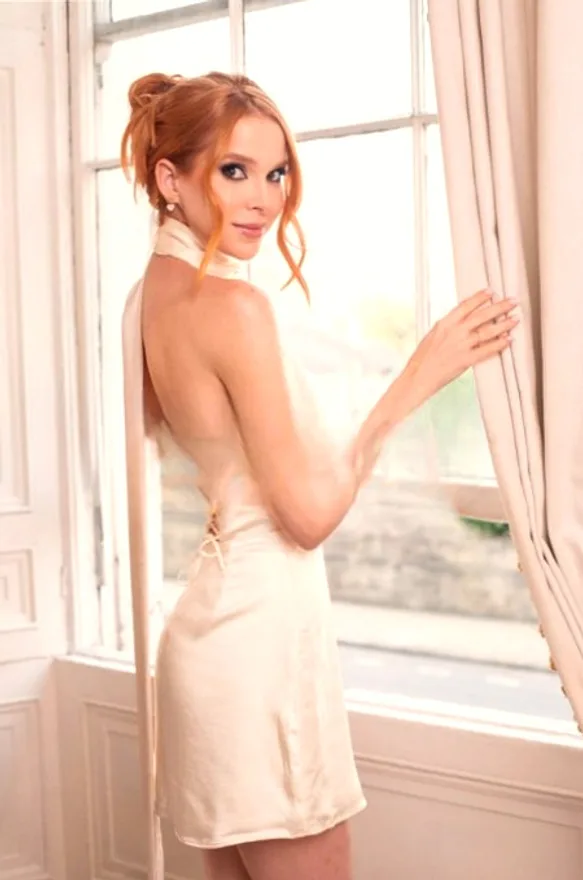
As you move through the listings, the visible details of each profile come into focus—photographs, a few lines of self-description, perhaps a list of interests. Some presentations lean toward the dramatic, with shadowed images and sparse text, while others radiate a sunny, open demeanor. The structure of each entry offers a rhythm of its own, guiding your eye from one element to the next. You might notice how a particular profile chooses to highlight certain aspects of personality, while another stays deliberately vague. These choices create a texture that invites you to weigh what is shown against what is left unsaid. Over time, you develop a sense of which styles resonate, which tones feel inviting, and which details spark a flicker of curiosity. This comparison is less about finding a superior option and more about learning the language of your own attraction.
A Closer Read of French Kissing Profiles
The introduction of a profile can be a delicate invitation, a few carefully chosen words that hint at a world of possibility. Some writers craft sentences that are almost poetic, painting scenes of twilight and whispered conversation, while others adopt a playful, irreverent tone that suggests a lighter approach. The first-person voice carries a particular weight, offering a glimpse of how someone sees themselves and how they wish to be seen. You might find yourself drawn to a certain phrase, a turn of language that feels like a shared secret. As you read more, you notice the cadence of different writers—some quick and breathless, others measured and thoughtful. These variations in style and substance allow you to imagine the texture of a potential encounter, not as a certainty but as a fleeting fantasy. The act of reading becomes a quiet dialogue between what is written and what you bring to it, a space where possibility lingers without promise.