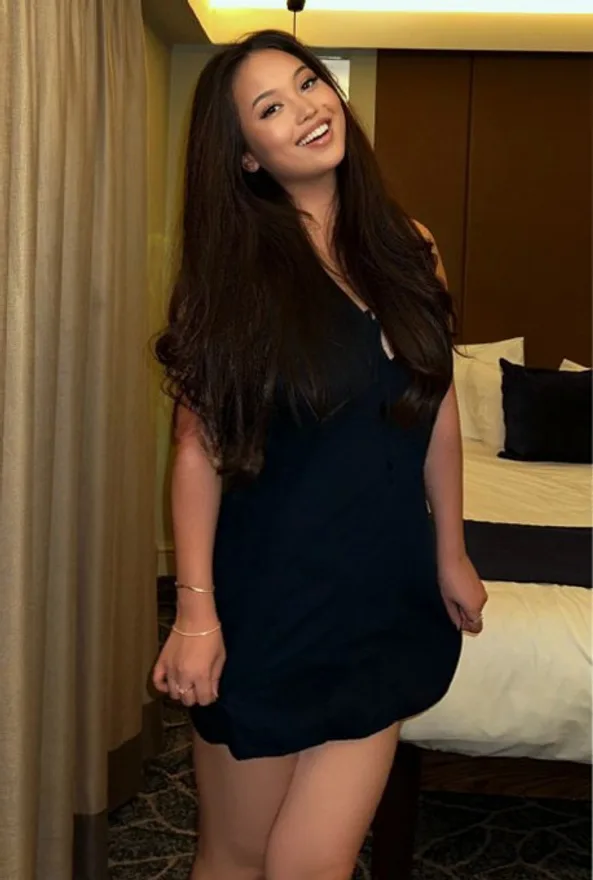
There is a certain quiet pleasure in scanning the listings, letting the eye drift from one profile to the next, noting how each person shapes their own presentation. The photographs draw you in, but it is the words that hold your attention—the way a person describes their interests, their tone, their choice of phrasing. Some profiles are spare, offering just a few lines that leave you curious; others are more generous, unfolding a fuller sense of who they are. As you move through the pages, the differences become a kind of map, guiding your own preferences.
Sift through the listings and let the eye wander from one introduction to the next, noting how each person shapes their own story. The way a profile opens, the details it chooses to share, the rhythm of the words—these are the quiet signals that set one page apart from another. Some introductions are brief, almost like a first glance across a room; others unfold slowly, revealing more with each sentence. As you move from one page to the next, the differences become a kind of language, telling you more than any single photograph could. This is the act of browsing in its purest form: reading, comparing, and letting your own preferences guide your attention.
Reading the Introductions for English, Mongolian, Russian
Beyond the photographs and the opening lines, the introductions themselves carry the weight of personality. Read them closely—the choice of words, the cadence, the small details that surface in a paragraph. One profile might emphasize a love for quiet evenings, another might speak of adventure, but the truth is in the text, not in any single attribute. The way a person describes their interests, their tone, their humor—these are the threads that weave a fuller picture. As you scan the pages, you begin to notice patterns and contrasts, and what emerges is not a simple checklist but a mosaic of individual voices. The attribute is merely a starting filter; the real discovery lies in the reading.